

Sleep Optimization, Recovery Cycles, and Hormonal Balance for Peak Human Performance
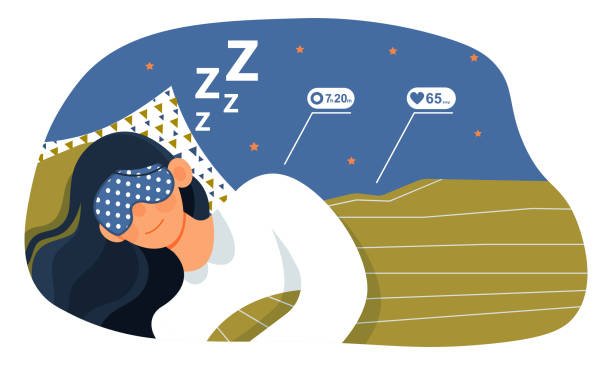
Sleep is a fundamental biological process that directly influences physical recovery, cognitive performance, and emotional stability. It is not a passive state but an active cycle where the body performs essential repair work that cannot be completed during wakefulness. Every night, the brain reorganizes neural connections, while the body simultaneously initiates cellular regeneration and metabolic recalibration. Without this structured recovery window, internal systems gradually lose efficiency, leading to fatigue accumulation and reduced daily performance.
The quality of sleep is determined by how effectively the body moves through its natural sleep cycles, especially deep sleep and REM phases. Deep sleep is responsible for physical restoration, muscle repair, and immune system strengthening, while REM sleep plays a crucial role in memory processing and emotional regulation. When these cycles are interrupted or shortened, the body is unable to complete essential recovery functions, resulting in long-term physiological imbalance.
Hormonal balance is tightly regulated by sleep patterns, with key hormones such as cortisol, melatonin, and growth hormone responding directly to circadian rhythm stability. Cortisol, the primary stress hormone, is naturally reduced during healthy sleep cycles, allowing the body to enter a restorative state. However, poor sleep habits can keep cortisol levels elevated, preventing proper recovery and increasing internal stress load.
Growth hormone secretion peaks during deep sleep stages, making this period essential for tissue repair, muscle growth, and overall physical regeneration. Disruptions in sleep timing or quality can significantly reduce this hormonal output, slowing down recovery and affecting long-term body composition maintenance.
Melatonin plays a central role in regulating the sleep-wake cycle and is highly sensitive to environmental light exposure. Excessive screen time, irregular sleep schedules, and nighttime artificial lighting can delay melatonin production, making it harder for the body to transition into deep restorative sleep states.
Sleep consistency often has a greater impact than sleep duration alone because the body relies heavily on rhythmic patterns. When sleep and wake times remain stable, the circadian system becomes more efficient, improving metabolic function, digestion, and daily energy regulation. Irregular sleep schedules, on the other hand, create internal confusion in biological timing systems.

Consistent sleep is not a luxury—it is a biological requirement for stable energy, recovery, and long-term health.
Circadian Rhythm and Internal Body Clock Alignment
The circadian rhythm is the body’s internal clock that regulates sleep, hunger, hormone release, and energy fluctuations throughout the day. It is primarily influenced by light exposure and daily behavioral patterns. When aligned properly, the circadian system ensures that biological functions operate in a predictable and efficient sequence, supporting both mental and physical performance.
Disruption of the circadian rhythm, often caused by late-night screen exposure or inconsistent sleep timing, leads to a misalignment between internal biological processes and external environmental cues. This misalignment can result in reduced focus, poor digestion, irregular appetite signals, and slower recovery after physical activity.
Maintaining a consistent sleep schedule reinforces circadian alignment and improves the body’s ability to anticipate energy demands. Over time, this leads to more stable hormone cycles, improved metabolism, and better overall physiological balance.
Recovery Cycles and Physical Adaptation
Recovery is not limited to sleep alone but extends into the body’s entire adaptation cycle following physical and mental stress. Exercise, mental workload, and daily stressors all create micro-damage or fatigue that must be repaired through structured recovery periods. Without sufficient recovery, the body remains in a constant state of strain.
During recovery cycles, the body prioritizes rebuilding damaged tissues, replenishing energy stores, and stabilizing nervous system activity. These processes are heavily dependent on sleep quality, nutrition, and hydration status, all of which work together to restore internal balance.
Over time, consistent recovery cycles lead to improved resilience, better performance capacity, and reduced risk of burnout. This is why recovery is considered just as important as training or activity itself in long-term health optimization.
Conclusion: Building a Stable Internal System
Sustainable health and performance depend on maintaining stability across sleep, hormones, and recovery systems. When these systems operate in harmony, the body functions more efficiently and consistently.
cdeFitness emphasizes a systems-based approach to health where sleep, nutrition, and recovery are treated as interconnected elements rather than isolated habits. This integrated perspective allows for long-term improvements in energy, focus, and overall well-being.


Leave a Reply