


Sustainable Fat Loss Without Loose Skin: A Body-Aware Approach to Real Transformation
Fat loss is often misunderstood as a simple process of reducing weight quickly, but in reality it is a gradual physiological adaptation where the body adjusts its fat stores, muscle balance, and metabolic efficiency over time. It is not just about eating less or exercising more, but about how the body responds hormonally and structurally to sustained calorie changes. When weight loss happens too aggressively or without proper nutritional balance, the body does not get enough time to adapt to the shifting composition, which can increase the risk of loose skin, reduced muscle tone, and an overall decline in physical firmness and metabolic stability.
A body-aware approach focuses on understanding personal metrics like BMI and BMR to create a realistic and individualized calorie framework instead of following extreme, generic, or trend-based diet plans. This method helps ensure that fat loss happens in a controlled, measurable, and sustainable manner while still maintaining energy levels, cognitive performance, and daily physical functionality. It also helps prevent unnecessary stress on the metabolism by aligning food intake with actual body requirements rather than external or unrealistic standards.
Muscle preservation plays a key role in preventing loose skin during fat loss because muscle acts as the structural foundation that supports skin elasticity and overall body shape. When muscle mass is maintained through adequate protein intake, resistance-based movement, and consistent physical activity, the skin is more likely to adjust gradually and smoothly as fat decreases. Without this support, rapid fat reduction can leave gaps in structural support, making the skin appear loose or less firm over time.
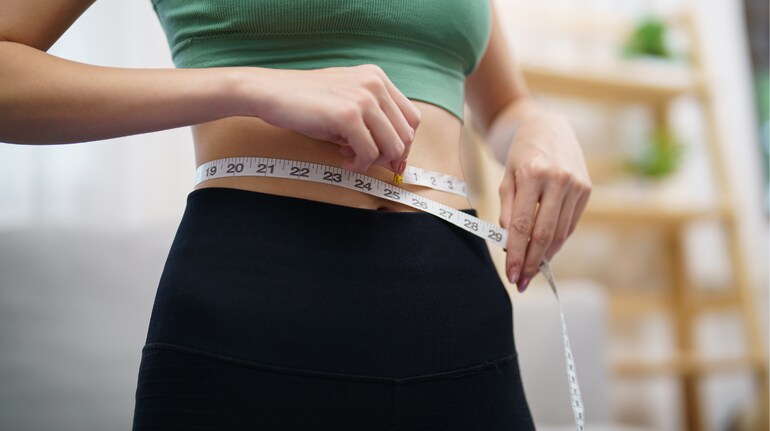
Sustainable fat loss is not about speed, it is about control, consistency, and long-term body balance.
Understanding Body Energy and Metabolism
Every individual has a unique metabolic rate that determines how the body uses and stores energy across different conditions such as activity level, sleep cycle, stress, and daily movement patterns. Ignoring this natural variation can lead to ineffective dieting patterns where results are short-lived, inconsistent, and often followed by rebound weight gain once normal eating habits resume or calorie intake increases again.
By using BMR as a baseline, it becomes easier to understand how much energy the body actually requires for basic physiological functions such as breathing, digestion, circulation, and cellular repair, while BMI helps in assessing overall body composition and categorizing progress in a more realistic and structured way. Together, these metrics reduce guesswork and help create a more grounded understanding of how the body responds to food intake and energy balance.
When both metrics are used together, they provide a more complete and practical picture of body needs, allowing fat loss strategies to be more precise, adaptable, and less stressful on the system. This combination helps in designing nutrition plans that are not overly restrictive but still effective enough to create gradual and sustainable changes in body composition without disrupting metabolic stability.
Why Slow Fat Loss Protects Skin Health
Rapid weight loss does not give skin enough time to adjust to the changing body structure and internal composition. This often leads to sagging or loose skin, especially in areas where fat accumulation was previously higher such as the abdomen, thighs, or arms, because the skin elasticity cannot retract at the same speed as fat reduction.
Slow and steady fat reduction allows collagen structures, connective tissue, and skin elasticity to adapt gradually, reducing the visible effects of loose skin while maintaining a more toned and balanced appearance throughout the transformation process. This gradual adaptation is what helps the body maintain shape integrity even as fat levels decrease over time.
Hydration, nutrient intake, and protein consumption further support this process by improving skin repair, elasticity, and overall tissue health during transformation phases. When combined with consistent physical activity, especially resistance-based movement, the body becomes more capable of maintaining firmness and structural balance.
Building Realistic Eating Habits
Sustainable fat loss is only possible when eating habits are realistic, flexible, and adaptable to daily life conditions. Extreme restrictions often fail because they cannot be maintained in real-world situations such as busy work schedules, social gatherings, travel, limited food availability, and varying levels of motivation throughout the week.
A structured but flexible eating system allows individuals to maintain consistency without feeling overly restricted, which improves long-term adherence and significantly reduces the likelihood of relapse into unhealthy or inconsistent eating patterns. This balance helps create a stable relationship with food rather than a cycle of restriction and rebound eating.
This approach prioritizes balance over perfection, ensuring that fat loss becomes part of long-term lifestyle improvement rather than a temporary phase driven by short-term motivation. Over time, this leads to better metabolic stability, improved digestion, and a more sustainable connection between food choices and body goals.
Conclusion: Smarter Fat Loss Through Awareness
The goal of sustainable fat loss is not just to reduce weight but to improve overall body composition, energy levels, and metabolic stability. When fat loss is guided by body awareness instead of extreme dieting, the results are more stable and long-lasting.
cdeFitness focuses on this principle by combining practical nutrition strategies with real body metrics like BMI and BMR, helping individuals make informed decisions about their food and lifestyle without confusion or unnecessary restriction.


Leave a Reply